
Live Voting
Top Ten Plant and Animal Species that Would Be Invasive in California
This compilation highlights non-native plants and animals currently absent from California that, if introduced, would cause significant damage to the state's economic, social, or ecological stability. The list also encompasses potential invaders that, while less likely to arrive, remain ecologically dangerous. Enjoy contributing your own examples of invasive or potentially invasive species!
Click to vote · click again to remove
1
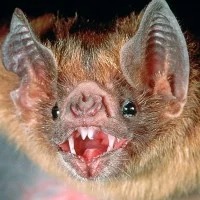
Vampire Bat
👑
8%
4,816
Native to Latin America, these small mammals feed exclusively on blood. While they rarely target humans, their potential introduction to California could devastate the local livestock industry and introduce rabies to regional wildlife populations, as the state’s temperate climate would likely support their expansion and survival.
1
Vampire Bat
Native to Latin America, these small mammals feed exclusively on blood. While they rarely target humans, their potential introduction to California could devastate the local livestock industry and introduce rabies to regional wildlife populations, as the state’s temperate climate would likely support their expansion and survival.
👑
8%
4,816
2
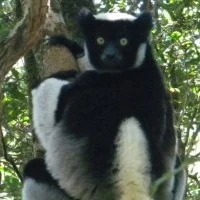
Indri
👑
7%
4,579
Native to Madagascar, this largest living lemur relies on a specialized diet of specific forest leaves. While its complex vocalizations and unique leaping ability are fascinating, its high environmental sensitivity and extreme habitat requirements make it unlikely to survive outside of its endemic rainforest ecosystem if introduced to California.
2
Indri
Native to Madagascar, this largest living lemur relies on a specialized diet of specific forest leaves. While its complex vocalizations and unique leaping ability are fascinating, its high environmental sensitivity and extreme habitat requirements make it unlikely to survive outside of its endemic rainforest ecosystem if introduced to California.
👑
7%
4,579
3
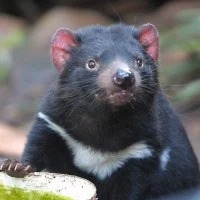
Tasmanian Devil
👑
7%
4,478
Famous for their aggressive feeding habits and powerful bite, these carnivorous marsupials from Tasmania could thrive in California’s diverse ecosystems. Their voracious appetite for small vertebrates and ability to outcompete local predators make them a potential threat to the state’s native biodiversity if ever introduced into the wild.
3
Tasmanian Devil
Famous for their aggressive feeding habits and powerful bite, these carnivorous marsupials from Tasmania could thrive in California’s diverse ecosystems. Their voracious appetite for small vertebrates and ability to outcompete local predators make them a potential threat to the state’s native biodiversity if ever introduced into the wild.
👑
7%
4,478
4
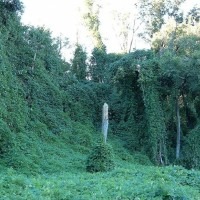
Kudzu
👑
7%
4,399
Rapidly growing perennial vine native to East Asia, notorious for its ability to blanket landscapes and smother native vegetation. Often dubbed "the vine that ate the South," this aggressive climber poses a significant threat to California’s diverse ecosystems by outcompeting local flora for sunlight and essential nutrients.
4
Kudzu
Rapidly growing perennial vine native to East Asia, notorious for its ability to blanket landscapes and smother native vegetation. Often dubbed "the vine that ate the South," this aggressive climber poses a significant threat to California’s diverse ecosystems by outcompeting local flora for sunlight and essential nutrients.
👑
7%
4,399
More to vote on

television
Top 10 Best Sitcoms of All Time

food
Top 10 Best Candy Bars

people
Top 10 Most Hated People of 2025

movies
Top 10 Greatest Movie Characters of All Time

music
Top 10 Best Kanye West Songs

television
Top 10 Best Friends Characters

games
Top 10 Best Video Game Characters of All Time

people
Top 10 Types of People Who Deserve to Be Hated the Most

food
Top 10 Best Energy Drinks