
Live Voting
Top 10 Strangest Places in the World
Presented below is a collection of the globe's most bewildering and captivating locations.
Click to vote · click again to remove
1
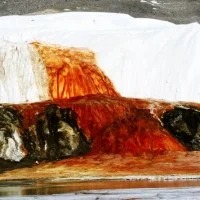
Blood Falls (Antarctica)
👑
10%
4,537
Flowing from the Taylor Glacier, this saltwater cascade turns deep crimson due to iron-rich subglacial brine reacting with oxygen. Trapped beneath the ice for millions of years, the unique ecosystem supports ancient microbes, creating a bizarre, surreal spectacle that resembles a bleeding wound in the stark Antarctic landscape.
1
Blood Falls (Antarctica)
Flowing from the Taylor Glacier, this saltwater cascade turns deep crimson due to iron-rich subglacial brine reacting with oxygen. Trapped beneath the ice for millions of years, the unique ecosystem supports ancient microbes, creating a bizarre, surreal spectacle that resembles a bleeding wound in the stark Antarctic landscape.
👑
10%
4,537
2
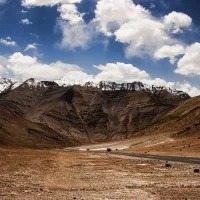
Magnetic Hill (India)
👑
9%
4,238
Located in Ladakh, this gravity-defying stretch of road creates an optical illusion where stationary vehicles appear to roll uphill on their own. The phenomenon occurs due to the surrounding land layout and slopes, tricking the human eye into perceiving a downward decline as an upward incline against the laws of physics.
2
Magnetic Hill (India)
Located in Ladakh, this gravity-defying stretch of road creates an optical illusion where stationary vehicles appear to roll uphill on their own. The phenomenon occurs due to the surrounding land layout and slopes, tricking the human eye into perceiving a downward decline as an upward incline against the laws of physics.
👑
9%
4,238
3
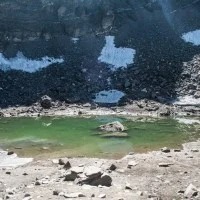
Skeleton Lake (India)
👑
9%
4,139
Located high in the Himalayas, this glacial lake contains the remains of hundreds of ancient humans. Scientists believe a massive hailstorm caused these mysterious fatalities centuries ago. The site remains a haunting archaeological puzzle, drawing trekkers eager to witness scattered bones emerging from the melting ice each summer.
3
Skeleton Lake (India)
Located high in the Himalayas, this glacial lake contains the remains of hundreds of ancient humans. Scientists believe a massive hailstorm caused these mysterious fatalities centuries ago. The site remains a haunting archaeological puzzle, drawing trekkers eager to witness scattered bones emerging from the melting ice each summer.
👑
9%
4,139
4
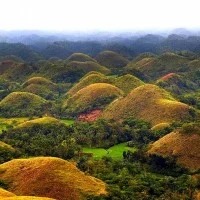
Chocolate Hills (Philippines)
👑
9%
3,999
Covering over 50 square kilometers in Bohol, these 1,260 symmetrical mounds turn chocolate-brown during the dry season. While they appear man-made, geologists attribute these uniform limestone formations to ancient coral reef deposits and weather-induced erosion over millennia, creating one of the most surreal landscapes in Southeast Asia.
4
Chocolate Hills (Philippines)
Covering over 50 square kilometers in Bohol, these 1,260 symmetrical mounds turn chocolate-brown during the dry season. While they appear man-made, geologists attribute these uniform limestone formations to ancient coral reef deposits and weather-induced erosion over millennia, creating one of the most surreal landscapes in Southeast Asia.
👑
9%
3,999
More to vote on

movies
Top 10 Best Movies of 2014

world
Top 10 Most Possible Future Superpowers

sports
Top 10 Sports Teams with the Biggest Bandwagon Fans

people
Top Ten Nicest Celebrities

sports
Top 10 Best Racehorses of All Time

music
Top 10 Best Queen Songs

books
Top 10 Best Agatha Christie Books

food
Top 10 Best Chefs of All Time

movies
Top 10 Best Movies of 2013